A Beginner’s Guide to Cosmetic Dentistry Bakersfield CA
A healthy smile does more than photograph well. It changes how people speak, laugh, and carry themselves in ordinary moments. I have seen patients cover their mouths for years because of one dark front tooth, a chipped edge, or spacing that bothered them every time they looked in the mirror. Once those issues were corrected, the shift was rarely just cosmetic. They smiled without hesitation, spoke more freely, and stopped thinking about their teeth every few minutes.
That is why cosmetic dentistry deserves a practical, grounded explanation, especially for people who are just starting to explore it. If you have been searching for information about Cosmetic Dentistry Bakersfield CA, you have likely already seen polished before-and-after photos and broad claims about smile makeovers. Those can be helpful, but they do not tell you enough about what treatment actually involves, what it costs in time and maintenance, or which procedures are worth doing first.
Cosmetic dentistry is not one thing. It is a category that includes whitening, bonding, veneers, contouring, clear aligners, and tooth-colored restorations, sometimes mixed with restorative work like crowns or implants when appearance and function overlap. The right plan depends on your goals, your bite, your enamel, and your budget. A good dentist does not start by selling the most expensive option. A good dentist starts by figuring out what is bothering you, what is realistic, and what will still look good five or ten years from now.
What cosmetic dentistry actually covers
People often assume cosmetic dentistry only means veneers. Veneers get the attention because they can create dramatic changes, but most cosmetic work is far simpler and more conservative than that. Cosmetic dentistry focuses on improving the appearance of teeth and gums, but appearance cannot be separated from health for very long. A bright smile built on untreated decay, unstable gums, or grinding damage will not hold up well.
In practice, cosmetic treatment often addresses one or more of these issues: discoloration, chips, worn edges, uneven shapes, spacing, mild crowding, old metal fillings that show when you laugh, or a gummy smile. Sometimes patients come in asking for veneers when all they really need is whitening and a little bonding on the front teeth. Other times they want whitening, but the deeper issue is that an old crown on a front tooth will not change color, so the mismatch becomes more obvious after bleaching.
This is one reason beginners benefit from an in-person evaluation. Cosmetic concerns are visible, but their causes are not always obvious. The surface problem may be staining, yet the more important finding could be enamel erosion from acid exposure, clenching at night, or receding gums. A treatment that looks straightforward online can become more complicated when those factors are present.
Bakersfield patients often want natural, not obvious
There is a common misconception that cosmetic dentistry always produces a uniformly white, highly stylized smile. Some people want that look, and that is their choice. In my experience, many adults in Bakersfield ask for something else entirely. They want cleaner, brighter, more even teeth that still fit their face and age. They do not want friends asking where they got their teeth done. They want people to notice that they look better, not that they had dental work.
That distinction matters because cosmetic planning should be personal. A 24-year-old with naturally translucent enamel at the edges of the front teeth may not suit the same finish or shade as a 52-year-old with heavier wear and darker dentin underneath. Lip movement, skin tone, facial symmetry, and even speech patterns influence what looks believable. The best cosmetic dentistry tends to disappear into the person.
Local lifestyle patterns matter too. Bakersfield patients often ask practical questions that should be asked: Will whitening make coffee stains show up faster? If I work outdoors, will dehydration and dry mouth make sensitivity worse? If I grind my teeth during stressful periods, will bonding chip? These are real-world concerns, not technical footnotes.
The first consultation, what should happen
A worthwhile cosmetic consultation is part conversation, part exam, and part planning session. You should expect the dentist to ask what you see when you look at your smile, what bothers you in photos, and whether your goal is subtle improvement or more dramatic change. They should also examine the health of your teeth and gums before recommending cosmetic work.
Photos are often taken, and they should be. Teeth look different in a mirror, on a phone camera, and under operatory lighting. Photographs help both you and the dentist slow down and evaluate details such as midline position, tooth shape, asymmetry, and how much gum shows when you smile. Sometimes a patient comes in focused on one crooked tooth and only then notices that the real issue is overall color and edge wear.
A careful consultation should also cover habits that affect longevity. Nail biting, chewing ice, vaping, smoking, nighttime grinding, frequent energy drinks, and aggressive brushing all influence which cosmetic options are smart and which are likely to fail early. If those conversations are skipped, the treatment plan may look good on day one but disappoint later.
Whitening is usually the simplest place to start
Professional whitening remains one of the most common entry points into cosmetic dentistry because it is relatively conservative, comparatively affordable, and capable of noticeable improvement in a short time. That said, whitening is often misunderstood.
There are two broad paths: in-office whitening and take-home whitening trays. In-office treatment can lift stains faster, which appeals to people with an upcoming event or people who want visible change right away. Take-home trays, when custom made and supervised by a dentist, can provide more controlled progress and are often easier to maintain over time. Neither option changes the color of crowns, fillings, veneers, or bonding. That is the catch that surprises many first-time patients.
Sensitivity is another point worth discussing honestly. Some people whiten with little trouble. Others develop brief zingers, especially if they already have recession or exposed root surfaces. A good dentist adjusts the approach rather than pushing through discomfort. Lower concentration gel, fewer wear hours, rest days, and desensitizing products often solve the problem.
Whitening also has limits. Grayish discoloration from trauma, certain medications, or internal tooth changes may respond less predictably than yellow surface staining. In those cases, whitening may help the surrounding teeth, but a single dark tooth might require internal bleaching, bonding, or a crown depending on the cause.
Bonding can fix small flaws beautifully
Dental bonding is one of the most underrated tools in cosmetic dentistry. For the right case, it offers remarkable value. A skilled dentist can use tooth-colored composite resin to repair chips, close small spaces, reshape uneven edges, and mask certain types of discoloration, often with little to no drilling.
For beginners, bonding is appealing because it is conservative and usually faster than porcelain. It also tends to cost less up front than veneers. If someone has one chipped front tooth after an old sports injury, or slight spacing that bothers them in photos, bonding may be all they need.
The trade-off is durability and stain resistance. Bonding is strong enough for many situations, but it is not porcelain. It can pick up stains Cosmetic Dentistry Bakersfield CA over time, especially in people who drink a lot of coffee, tea, or red wine, or who smoke. It can also chip if the bite is heavy or if the patient uses teeth as tools. Small repairs are often easy, which is a real advantage, but touch-ups are part of the long-term reality.
A thoughtful dentist will tell you where bonding shines and where it becomes a compromise. For one or two minor changes, it is often excellent. For larger smile redesigns involving multiple front teeth with significant shape and color changes, porcelain may hold up better and look more stable over time.
Veneers, popular for a reason, but not for everyone
Porcelain veneers are thin custom shells bonded to the front surfaces of teeth. They can dramatically change color, shape, length, and overall smile symmetry. When designed well, veneers can be elegant and lifelike. When overdone or placed without proper planning, they can look bulky, flat, or too opaque.
Beginners often ask whether veneers ruin your natural teeth. The honest answer is that it depends on the case and the preparation style. Traditional veneers usually require some enamel reshaping, though modern conservative techniques aim to preserve as much tooth structure as possible. In certain situations, minimal-prep or no-prep veneers may be discussed, but they are not suitable for every smile. If the teeth already protrude, adding material without reduction can create a result that feels too prominent.
Veneers are best for specific patterns of concern: stubborn discoloration that resists whitening, worn front teeth, shape inconsistencies, small to moderate spacing, and cases where several cosmetic issues need to be corrected at once. They are less ideal when the main problem is significant crowding or bite misalignment. In that situation, moving teeth first often produces a healthier, more conservative result.
Shade selection is one of the most important parts of veneer treatment. Many patients initially request the brightest shade available, then pull back after seeing mock-ups or sample tabs in natural light. Very white teeth can look striking, but they can also draw attention in a way that does not feel natural to every person. The right shade should consider age, complexion, lip mobility, and the desired level of visibility.
Clear aligners and cosmetic orthodontics
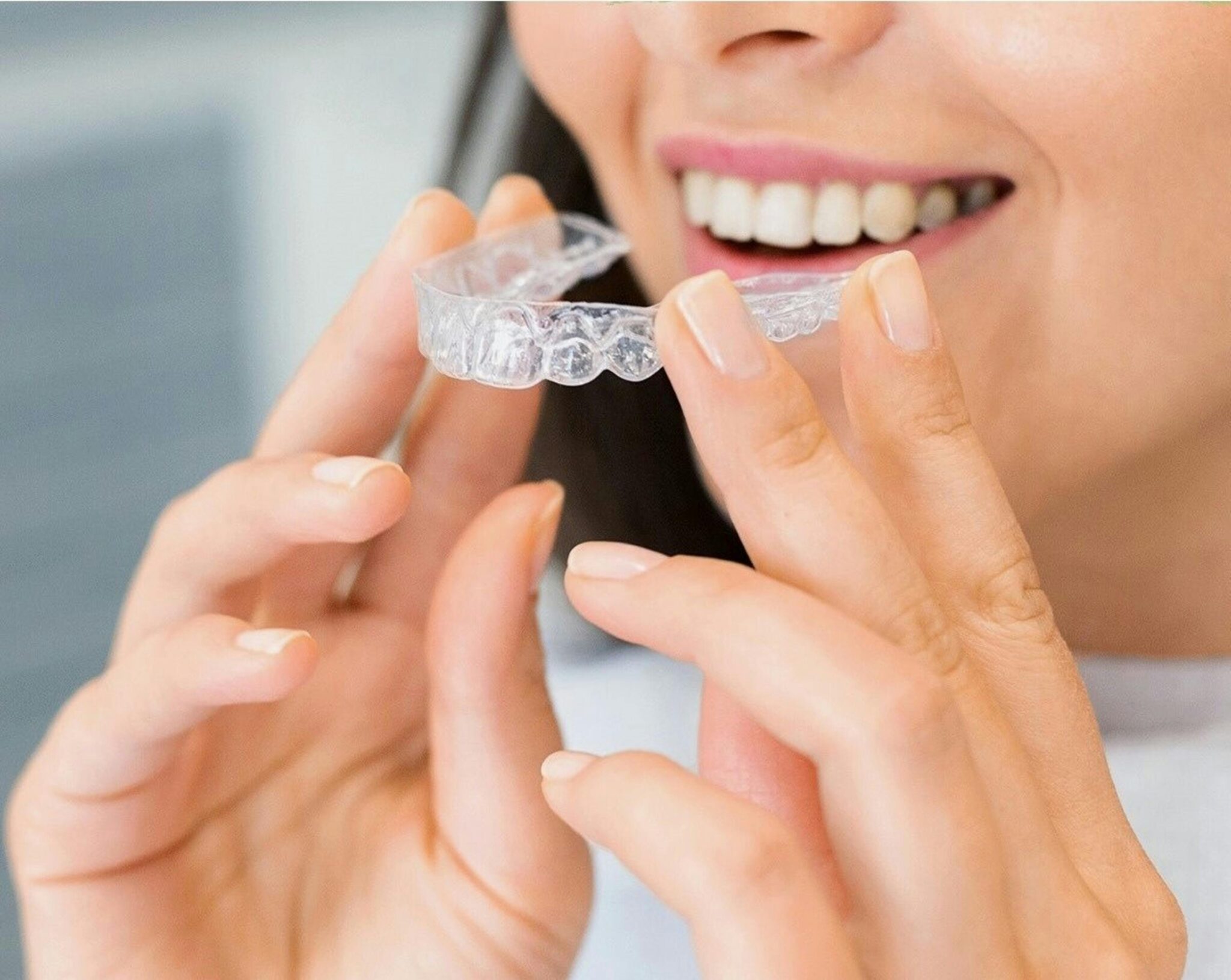
Not every cosmetic issue should be covered. Sometimes teeth simply need to be moved. Clear aligners have changed cosmetic dentistry because they let adults address mild to moderate crowding, spacing, and rotational issues without traditional braces in many cases.
This approach is especially valuable when the teeth are healthy but poorly positioned. Instead of reshaping several teeth to create the illusion of alignment, aligners can often improve the underlying arrangement first. Once the teeth are in better positions, a patient may need little else besides whitening or minor edge refinement.
Treatment length varies. Some cases are measured in months, others longer, especially when bite correction is part of the plan. Compliance matters. Clear aligners work best when worn as directed, which usually means most of the day and night. Patients who remove them frequently or forget to change trays on schedule often feel frustrated with their progress.
One practical point Cosmetic Dentistry Bakersfield CA many beginners miss is retention. Teeth have memory. After orthodontic movement, retainers are not optional if you want the result to last. A person who spends months aligning their smile and then stops wearing retainers may watch old spacing or crowding gradually return.
Crowns, implants, and cosmetic outcomes
Cosmetic dentistry blends into restorative dentistry more often than people realize. If a front tooth has a large old filling, a crack, or root canal history, the best-looking option may be a crown rather than a veneer. If a tooth is missing, replacing it with an implant and well-matched crown is absolutely part of smile aesthetics, even though it begins as a functional need.
What matters is planning the appearance with the same seriousness as the mechanics. Front teeth are especially unforgiving. Shade, translucency, texture, and gum shape all matter. A technically sound crown can still look wrong if its color is too flat or its contour does not match the neighboring tooth.
For implants in the smile zone, tissue architecture is critical. Beginners should know that replacing a missing front tooth is rarely as simple as placing an implant and attaching a tooth-shaped crown. Bone levels, gum support, timing after extraction, and the condition of adjacent teeth all affect the final cosmetic result. Cases that look effortless at the end often involved careful staging.
Cost, value, and why cheap cosmetic work often gets expensive later
Cosmetic dentistry ranges widely in cost because the work ranges widely in complexity. Whitening and small bonding cases may be relatively approachable. Veneers, clear aligners, crowns, and implant treatment involve more planning, lab work, chair time, and follow-up. Any article giving exact universal numbers would be misleading, because fees vary by case and location, and treatment plans are individualized.
Still, beginners should think beyond initial price. The real question is value over time. Cheap cosmetic work can fail in expensive ways. Poorly contoured veneers may trap plaque at the gumline. Mismanaged bite changes can lead to chipping, jaw discomfort, or accelerated wear. Over-whitened, poorly matched restorations may need replacement long before the patient expected.
A fair cosmetic treatment fee reflects more than materials. It reflects diagnosis, preparation design, shade planning, laboratory quality, bite management, and the time spent refining details. In front teeth, details are the whole game.
If you are comparing offices for Cosmetic Dentistry Bakersfield CA, ask not only what a procedure costs, but what is included. Does the fee cover records, temporaries, follow-up adjustments, retainers if aligners are involved, or a night guard for a patient who grinds? Those details can change the true cost significantly.
How to choose the right cosmetic dentist in Bakersfield
A polished website is not enough. Cosmetic dentistry is highly visual, highly technical, and highly dependent on judgment. You want a dentist who can explain why they recommend a treatment, not just show dramatic cases.
Here are a few useful questions to ask during your search:
- What options would solve my concern conservatively before moving to more aggressive treatment?
- Can you show cases similar to mine, not just ideal smile makeover photos?
- How do you evaluate bite, grinding, and gum health before cosmetic work?
- What maintenance should I expect over the next five to ten years?
- If I want a natural look, how do you plan shade and shape?
Those questions quickly reveal whether the office thinks like a cosmetic practice or markets like one. Experience matters, but so does restraint. The best cosmetic dentists are often the ones willing to say, “You do not need veneers for this.”
What good planning looks like
Beginners tend to focus on the final procedure, but planning is where strong cosmetic cases are won or lost. Good planning includes facial photographs, close-up smile photos, evaluation of gum levels, bite analysis, and discussion of the patient’s habits and expectations. In more comprehensive cases, digital design, wax-ups, or mock-ups may be used to preview changes before irreversible treatment begins.
Mock-ups are especially helpful for patients who struggle to visualize shape changes. Seeing a proposed new edge length or closure of spaces in the mouth, even temporarily, often changes the conversation. A patient who thought they wanted longer front teeth may realize they only needed the worn edges repaired. Another might discover that correcting a tilted midline matters more to them than whitening.
This process also helps with speech and comfort. Teeth are not just visible structures. They affect how air moves and how sounds are formed. Lengthening upper front teeth too much can alter speech, especially with certain consonants. A cosmetic plan should respect function.
Common mistakes beginners make
Most cosmetic dentistry disappointments do not come from bizarre complications. They come from rushed decisions and mismatched expectations. People choose a treatment because it is popular, because they saw a celebrity smile online, or because they focused on one part of the process and ignored the rest.
The most common pitfalls include the following:
- Whitening before understanding that old crowns and fillings will not lighten with natural teeth.
- Choosing veneers when alignment or bite correction should have come first.
- Underestimating maintenance, especially for bonding, aligners, and night guards.
- Prioritizing the brightest possible shade over harmony with facial features.
- Skipping gum treatment or decay treatment because the cosmetic goal feels more urgent.
These mistakes are preventable. They usually disappear when the consultation is thorough and the patient asks the right questions.
Maintenance is part of the treatment, not an afterthought
Cosmetic dentistry lasts longer when the basics are solid. That means routine cleanings, good home care, management of grinding, and realistic expectations about wear. Even excellent porcelain is not indestructible. Even beautiful bonding can stain if it is neglected.
Night guards deserve special mention. Many adults clench without realizing it. They wake with jaw tightness, headaches, or flattened teeth, yet never connect those symptoms to cosmetic risk. If you invest in veneers, bonding, or new crowns and you grind at night, a protective guard is often one of the smartest additions you can make.
Maintenance also includes touch-up planning. Whitening usually needs periodic refreshers. Bonding may need polishing or repair over the years. Retainers must be worn after aligners. A well-managed cosmetic result should age gracefully, but it still ages.
When cosmetic dentistry is worth doing
Cosmetic dentistry is worth doing when the plan matches the problem, respects the health of the mouth, and fits the patient’s priorities. It is not vanity to want your smile to look cleaner, more balanced, or less worn. Teeth sit at the center of the face. Small improvements can carry more emotional weight than people expect.
For some patients, the best first step is simple whitening. For others, it is moving teeth into better positions, replacing an old front crown, repairing chips with bonding, or restoring worn edges so the smile looks less tired. The point is not to chase a generic ideal. The point is to solve the concerns you actually have, in a way that is healthy, durable, and believable.
If you are beginning your search for Cosmetic Dentistry Bakersfield CA, start with an office that listens carefully, explains trade-offs clearly, and does not push one-size-fits-all solutions. Cosmetic dentistry works best when it feels personal, because it is. The right treatment should make you look like yourself, only more at ease when you smile.
Toothworks of Bakersfield, Dentist and Orthodontist
Address: 1030 H St #1, Bakersfield, CA 93304
Phone number: +16613239421
FAQ About Cosmetic Dentistry Bakersfield CA
What is considered cosmetic dentistry?
Cosmetic dentistry includes any dental treatment focused primarily on improving the appearance of your teeth, gums, or bite rather than treating a disease or restoring basic function.
How much does cosmetic dentistry usually cost?
The cost of cosmetic dentistry typically ranges from a few hundred dollars for minor touch-ups to over $20,000 for a comprehensive smile makeover, depending entirely on the specific procedure, materials used, and how many teeth are treated. Because most cosmetic treatments are elective, they are usually paid out of pocket without insurance coverage.
Is there a difference between a regular dentist and a cosmetic dentist?
Yes, a regular dentist focuses on your overall oral health and preventing disease, while a cosmetic dentist focuses on improving the look of your smile.
Ends · BROOKSEBMN683